
What to do if you inherit an art collection
Catalog it first. Once you know what you have, with photographs, paperwork and condition for each piece, everything else follows: the appraisal, the split between heirs, the insurance, and selling what nobody is keeping.
14 days, no card.

Why it is hard
Auction houses want the top lots
The major houses concentrate on trophy consignments. A collection worth $80,000, or $800,000, rarely gets the same attention, so heirs are left to find buyers themselves.
Museums rarely accept gifts
Most institutions already hold more than they can show and decline unsolicited donations. Giving it away is seldom the easy exit it sounds like.
Waiting costs money
Climate-controlled storage and insurance bill every month the decision is put off. Insuring a single $100,000 work typically runs $1,000 to $2,000 a year.
Several people have to agree
Siblings and executors need one shared, current list before anyone can divide, sell or settle the estate. Three versions of a spreadsheet in three inboxes is how disputes start.

In this order
1Write it all down
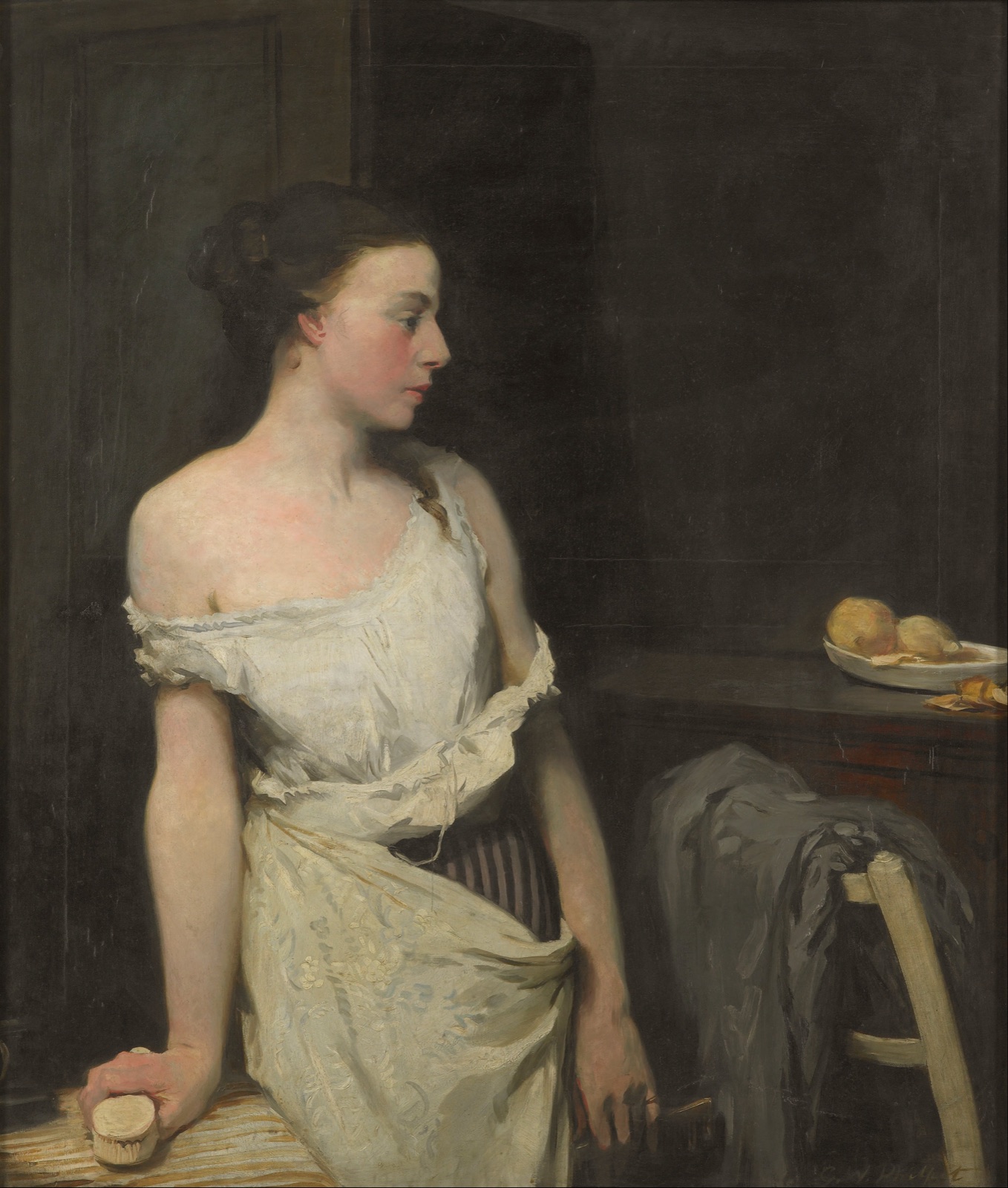
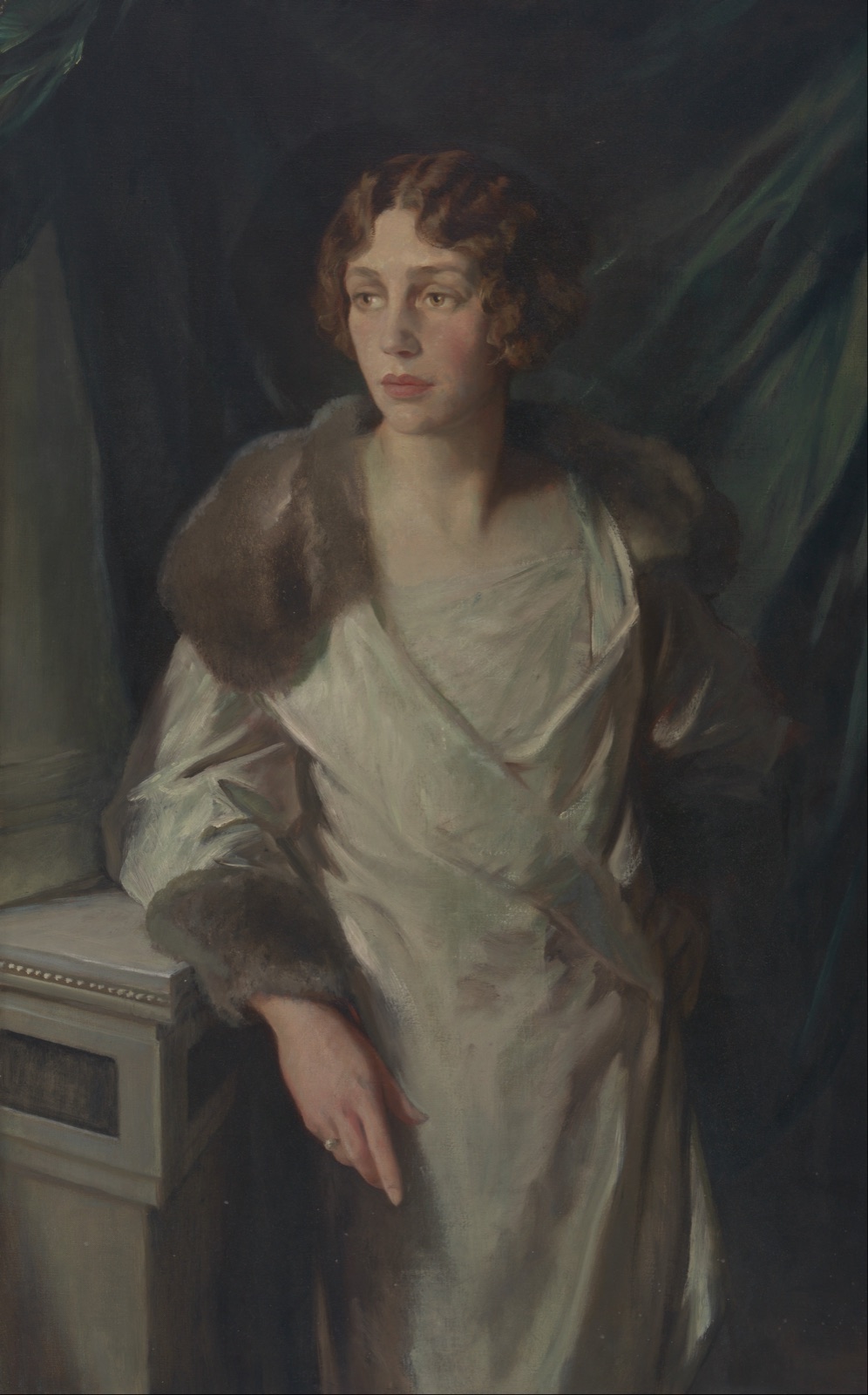
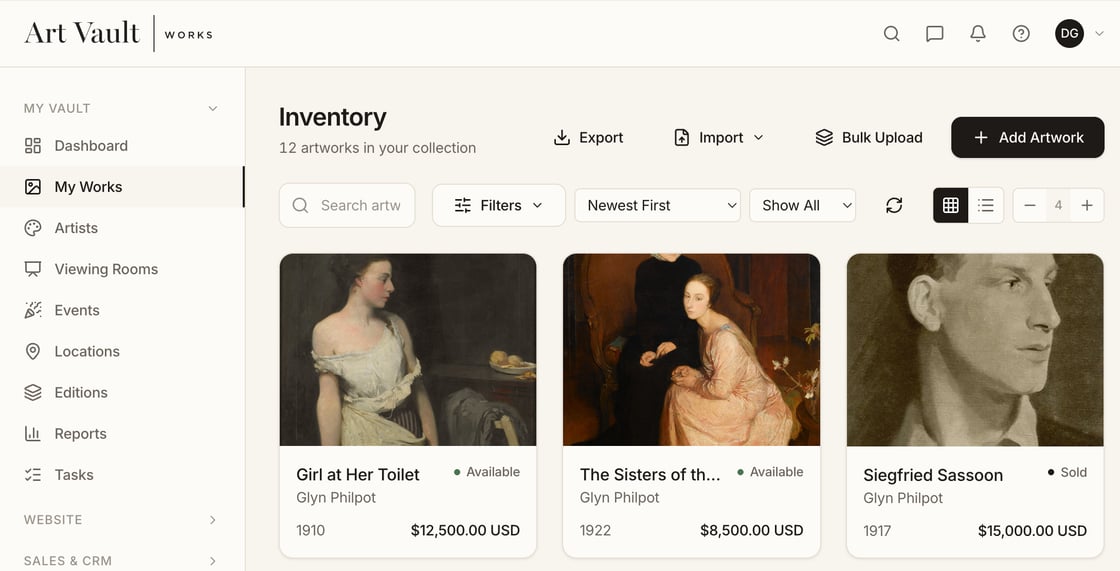
Photograph each piece and record the artist, medium, size, year and where it hangs. Add what you know from receipts, letters and gallery labels, and leave the rest blank. A partial record is far better than none.
2Build the paper trail
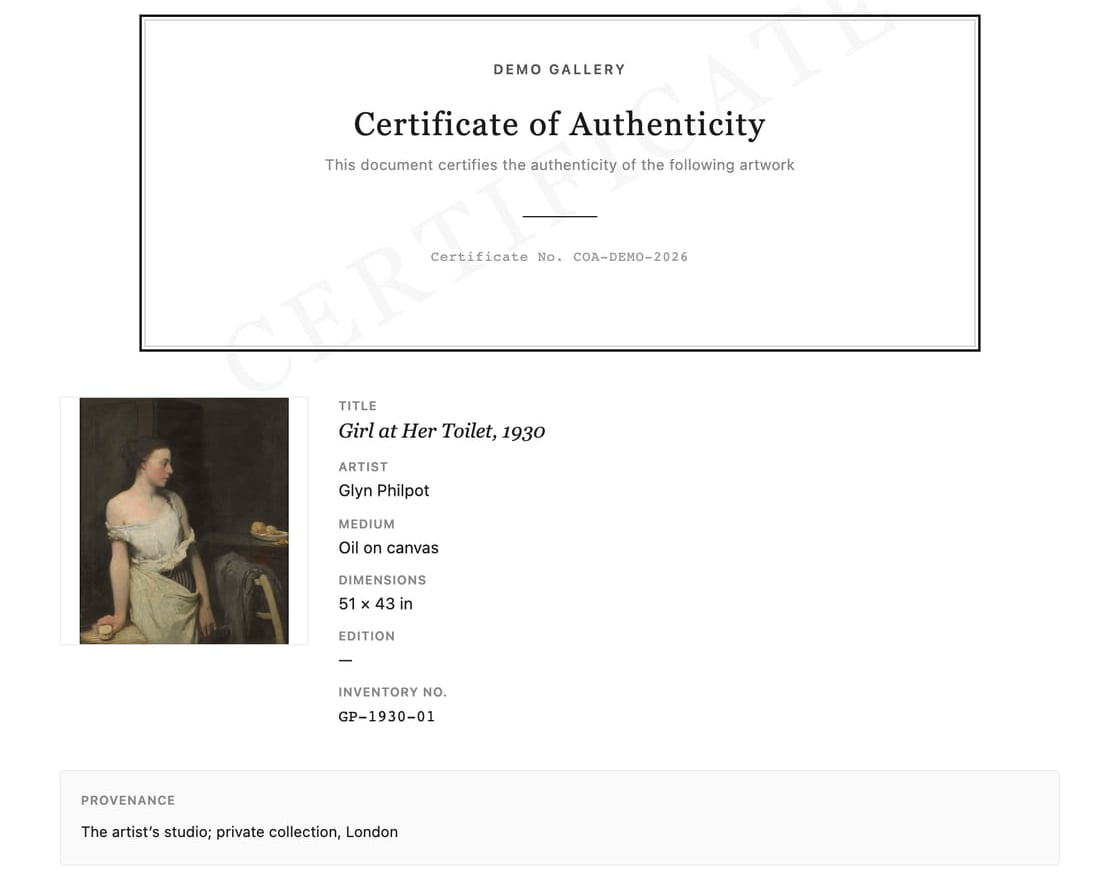
Record provenance, exhibition history, how it was acquired and its condition against each work. Appraisers, insurers and estate attorneys ask for this first, and buyers pay more for it later.
3Share one list
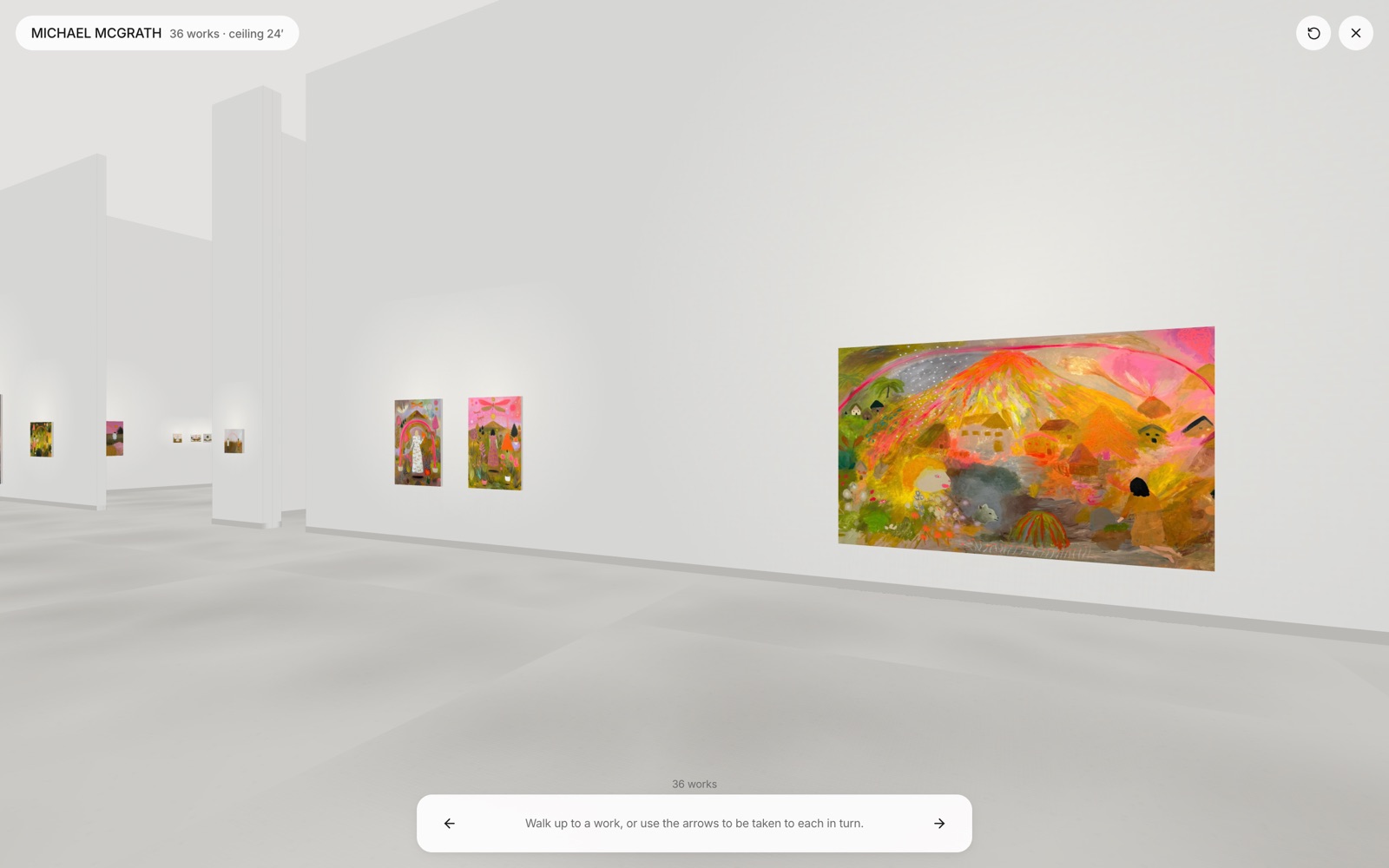
Print an inventory or insurance report for the appraiser, the attorney or the family. Send a dealer or an interested buyer a private viewing room, or the works hung in a 3D room they can walk through: a link, not a folder of phone photos.
4Sell what nobody is keeping
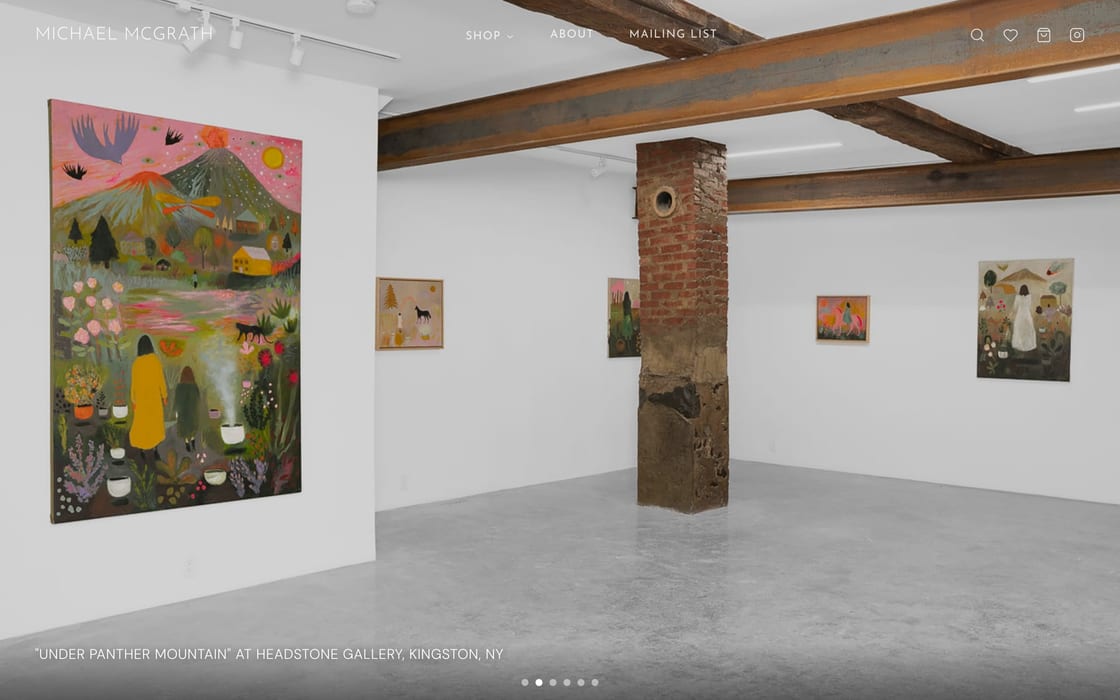
Publish some or all of the collection as your own website and set prices. From Studio Pro, connect Stripe or PayPal and take payment directly. Works you are keeping stay private. No consignment percentage and no waiting for a sale season.
What you get
- Unlimited artworks
- Provenance, exhibition history and acquisition records
- Insurance and appraised values per work
- Condition reports
- Inventory and insurance reports as PDFs
- Private viewing rooms
- A website on your own domain
- Private works hidden from the site
- Checkout on your site, from Studio Pro
- Import from a spreadsheet or another platform
Questions
I inherited art and have no idea what it’s worth. Where do I start?
Start with an inventory, not a valuation. Photograph every piece and record the artist, medium, size and any paperwork you have. Appraisers charge for their time, so an organized list of what exists costs less to appraise than a house full of unlabeled work. Once it is cataloged you can decide which pieces merit a formal appraisal.
Do I need an appraisal before I can sell inherited art?
Not to sell, but you generally want one for estate filings, for insurance and to avoid underpricing. Heirs in the United States usually inherit art at its fair market value on the date of death rather than what the original owner paid, so a dated valuation matters for tax. Ask an estate attorney or a qualified appraiser about your situation; this is not tax advice.
Can I sell inherited art without an auction house?
Yes, and for most inherited collections it is the practical route. The major houses focus on the highest-value consignments, and a great deal of inherited work sits below that. Selling privately, from your own site or by sending a viewing room to dealers and collectors, keeps the commission and the timeline in your hands.
How do we split a collection between siblings fairly?
Start from one shared inventory everyone can see, with photographs and any known values on each piece. Most disputes come from not knowing exactly what is in the estate, not from disagreement about who wants what. With one current list, the rest is a selection process.
What is provenance and why does it matter?
Provenance is the documented ownership history of a work: receipts, gallery labels, exhibition records, letters. It supports authenticity, and buyers pay more for work whose history is clear. If the paperwork is scattered through a house, recording it while you still have access is the most valuable thing you can do.
Do I need to be a dealer or a gallery to use ArtVault Works?
No. Choose Collector when you sign up and the dashboard is set up around a collection: the works, their locations, viewing rooms and reports. When you are ready to sell, switch to Artist mode in Settings for the website and store tools.
Catalog the collection
ArtVault Works is software for cataloging and selling art. Nothing here is tax, legal or appraisal advice; for estate and tax questions, talk to a qualified professional.